- How To Money
- Posts
- Saving More, Ditching Home Ownership, and Starting 2026 Off Right 🎆
Saving More, Ditching Home Ownership, and Starting 2026 Off Right 🎆
New year, new goals, same you! Let's start the year off with some good money habits.

Happy Tuesday all!
We hope everyone got to enjoy some relaxing time with family this past weekend. But today, we’re putting you to work!
Did you know that today is National Resolution Planning Day?
Whether you have a specific money goal (or money gear!) you want to hit. Or if you have personal goals you’re aiming to focus on, today’s the day to write them down, plan them out, and start taking action. ✍️
LIFESTYLE
Small Challenges, Big Savings 💰
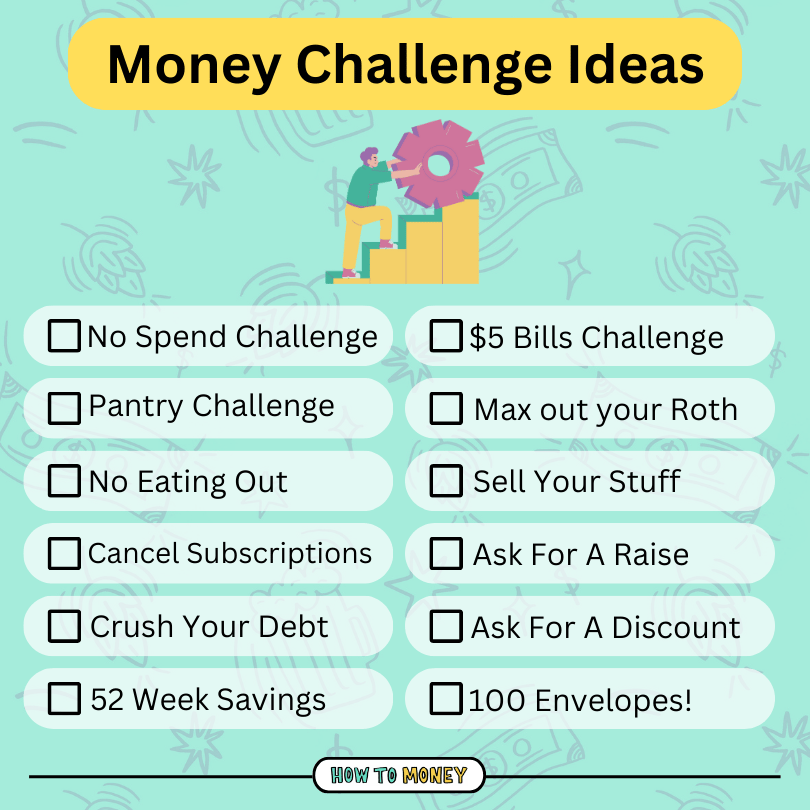
More than 90% of the goals people set this time of year don’t stick. Let’s be honest… money goals are easier to set than they are to stick to.
One way to bridge that gap? Turn saving into a challenge. Money challenges help take big financial goals and break them into bite-sized, doable actions that will motivate you toward progress (and dare we say… fun).
In 2026, consider trying one or two challenges that align with your lifestyle and goals:
🚫 A No-Spend or No-Eating Out Challenge: Commit to cutting discretionary spending for a set period, whether that’s ditching takeout in January or pausing nonessential purchases altogether. Even short-term resets can uncover just how much flexibility exists in your budget while creating some financial margin.
💰 A Savings Challenge: Popular options like the 52-Week Savings Challenge or a cash-based challenge (hello, envelopes or $5 bills) start small and build momentum over time—perfect if saving money feels overwhelming.
🔁 A Subscription Reset: Cancel everything, then add back only what you truly miss. It’s a simple way to cut recurring costs without sacrificing what matters most.
🛍️ A Declutter Challenge: Turn unused items into extra savings by selling what’s been collecting dust. Less clutter, more cash: a win-win.
If none of these fit your vibe, check out our 14 different money challenges you can implement in the New Year.
The biggest benefit of money challenges isn’t just the dollars saved, it’s the mindset shift to positive money habits. Gamifying your finances makes progress visible, creates quick wins, and helps you build habits that last long after the challenge ends. Grab a friend, track your progress, and don’t stress about being perfect.
A little creativity can go a long way, and by this time next year, your future self will be glad you started.
Need inspiration? Check out this episode with Liz Chai about the benefits of buying almost nothing new.
DEBT
Pay Your Loans, or Pay the Price 👨🎓
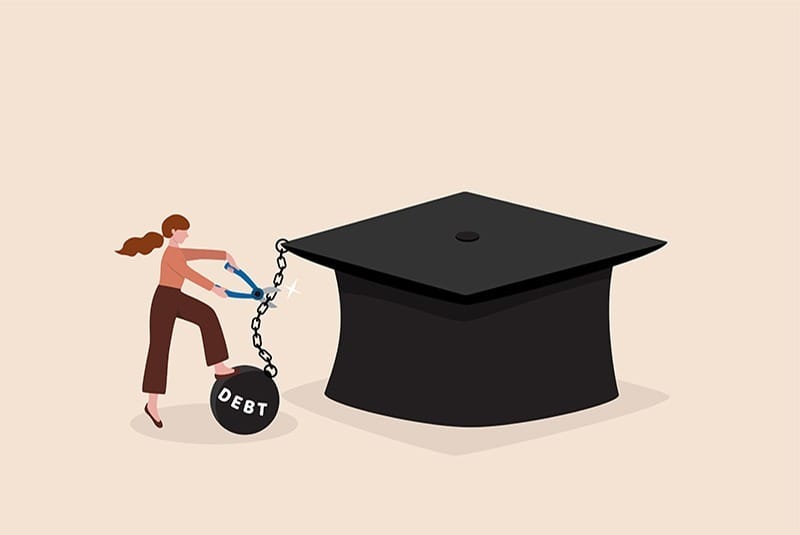
Student loans have a way of fading into the background until they don’t. Starting in early 2026, federal student-loan borrowers who are in default could begin seeing wage garnishment, meaning a portion of their paycheck may be withheld to repay overdue loans. This is set to be a financial shock to millions.
According to the Department of Education, more than 5 million borrowers are currently in default, which typically happens after payments go unpaid for nine months or more. Even more concerning, millions more borrowers are already behind and at risk of falling into default if action isn’t taken.
Once loans reach that stage, collections can include garnished wages, seized tax refunds, and reduced federal benefits, making it much harder to regain financial footing. However, it is important to note that this won’t come out of the blue. Borrowers who are at risk will receive notice and be given an opportunity to repay before these more drastic measures are taken.
It’s been a season of whiplash for folks with student loans. From paused payments to potential forgiveness. And now this. While we can’t do much about the political reality of student loan policy, it demonstrates that strong money habits matter greatly. Paying consistently, even when balances feel overwhelming, helps prevent small missteps from turning into long-term setbacks. And if you’re carrying student debt, having a clear payoff plan, whether that’s prioritizing extra payments or simply staying current, can make all the difference.
TOGETHER WITH BACKBONE*
Start the Year Off Right with Backbone 🎉

New Year’s resolutions often start with good intentions: save more, pay down debt, feel less stressed about money, but sticking with them takes the right support. Credit unions are built for exactly that.
As member-owned, not-for-profit cooperatives, credit unions help turn resolutions into realistic habits. Many offer lower-rate loans to tackle high-cost debt, skip-a-payment options when unexpected expenses hit, and 52-week savings challenges that make building an emergency cushion feel achievable week by week.
Because credit unions are accountable to members, not shareholders, they offer a people-first approach to personal finance that feels steady, human, and responsive—supporting both immediate needs and long-term progress.
The Backbone Coalition brings credit unions together nationwide to protect access to fair, people-first financial options in the year ahead and beyond.
Make this the year your money works for you. Learn more at backbone.us.
REAL ESTATE
Giving Up On Home Ownership? 🏠

With home prices still feeling out of reach for many, more people, especially younger adults, are quietly deciding that homeownership just isn’t in the cards.
Recent research suggests that when people stop believing they’ll ever buy a home, it can ripple into other parts of their financial lives.
The data shows a clear pattern: those who feel homeownership is achievable tend to save more, stay focused at work, and make more long-term financial decisions. On the flip side, when buying a home feels impossible, people are more likely to prioritize short-term spending and take bigger financial risks instead of steadily building wealth.
But the thing is, this isn’t really about owning a house, it’s about having a plan. Whether homeownership is your goal or not, saving for your future is crucial either way. Saving consistently, eradicating debt, and investing with intention help create stability and keep future options open… whatever those options may be.
Even if buying a home feels far off (or not appealing), stay engaged with your finances. It will have positive ripple effects for years to come. Long-term goals, steady habits, and realistic plans keep your options open and help prevent missed opportunities later on.
RETAIL
Same Groceries, Different Prices? 🛒
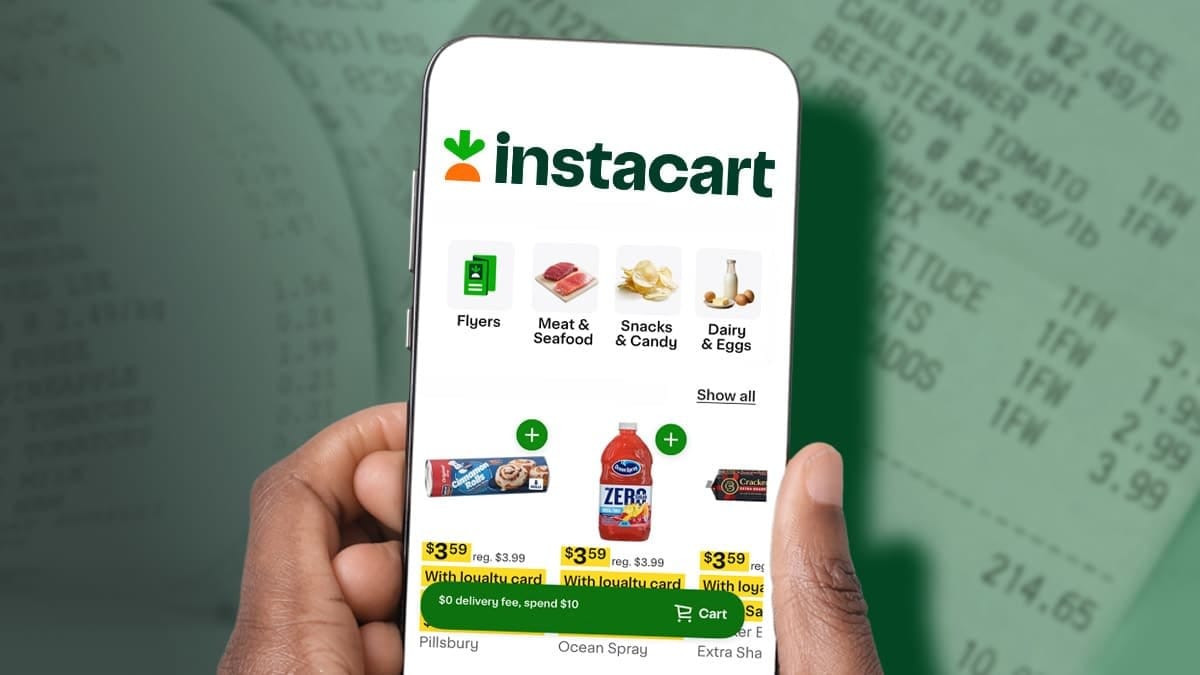
Even your groceries aren’t immune to AI these days. Instacart recently hit pause on an AI pricing program after shoppers noticed that the same items at the same store could cost different amounts—sometimes up to 23% more. While the company is correcting course, it’s a good reminder that technology can affect more than convenience… it can torch your wallet too.
A few ways to keep your grocery spending under control:
🔍 Check prices carefully: If you shop online, compare what you’re paying for the same item across different orders or apps.
$Watch out for hidden fees: Delivery, service, or subscription charges can add up fast.
👫 Consider shopping in person: Going to the store yourself guarantees no surprise markups or dynamic pricing.
💭 Stay informed: Technology changes fast, so being aware of new fees, pricing models, or updates is always important.
There are also good grocery shopping habits that will always be important. Meal prepping and shopping with a list are great ways to avoid impulse purchases, surprise totals, and an excess of items that end up going bad before they get used.
Small habits like these make a big difference over time. A little attention now can keep your grocery budget on track. 👍
ICYMI
Your Weekly Update…
Longer Loans, Bigger Price Tag 🚘
To keep monthly car payments manageable, buyers are turning to loans that last nearly a decade. It may lower the bill today, but it can significantly raise the overall cost of ownership. It’s a terrible idea. The best way to pay less? Buy a cheaper car!
A Tough Year for the Dollar 💵
After a strong start, the U.S. dollar weakened in 2025 as investors weighed cooling inflation against growing uncertainty around trade policy, data gaps, and long-term growth. While this is no reason to panic, it could add to the hidden cost creep.
Time to Get Lucky 🤞
From eating certain foods to choosing the right outfit, cultures around the world have long believed small traditions can influence luck in the year ahead. Whether you’re superstitious or not, you might find these rituals worth considering.
Don’t lose your money 💸
It’s almost 2026, and it’s “use it or lose it'“ for those FSA dollars you’ve accrued. Americans leave billions of dollars unspent in their FSA account each year, and it flutters back to their employer. Don’t be one of those folks.
Happy New Year to all our HTM fam! Here’s to a prosperous 2026. 🥳