- How To Money
- Posts
- Mortgage Payment Misery, Childcare Costs, and Bigger Bets! 🎰
Mortgage Payment Misery, Childcare Costs, and Bigger Bets! 🎰
Reminder... betting is never a get-rich-quick scheme. More like a go-broke-quick plan!

Good Morning and Happy Tuesday!
Here in the southeast, we had a little taste of spring last week! Unfortunately, our 60 and 70-degree days were short-lived, and we’re back in the reality of winter.
Hopefully, those of you in the area were able to make the most of it. Here’s a quick reminder to enjoy the little things while you can. ☀️
REAL ESTATE
Housing Getting Heavier 🏠

The housing market isn’t in meltdown mode, but it is getting heavier, especially for households with less financial cushion.
Mortgage delinquency rates have been climbing over the past few years, and the increase is hitting lower-income homeowners the hardest. Delinquencies were near historic lows a few years ago. Sadly, that’s no longer the case.
Now, we want to be clear: this is not 2008. While the housing market is softening, prices aren’t going to plummet overnight, throwing the US economy into a recession.
What’s different now is pressure.
Groceries cost more. Insurance costs more. Utilities cost more. Home maintenance costs more. Across much of the country, unemployment has ticked up, and job openings have declined. When income is uncertain, and everyday expenses keep climbing, even a “reasonable” mortgage can become a big burden.
If you’re feeling the pinch, here’s the most important thing to know: doing nothing is not the answer.
If you anticipate missing a mortgage payment, contact your servicer early. Many people freeze out of fear or embarrassment, but the earlier you communicate, the more options you typically have. Waiting curbs your flexibility.
Depending on your situation, there may be structured solutions available:
Forbearance allows you to temporarily pause or reduce payments.
Refinancing your mortgage (while costly and not nearly as advantageous in our current rate environment) can adjust the terms of your loan to make payments more manageable long-term.
A repayment plan can allow you to spread past-due amounts over several months.
The key question is whether the hardship you face is short-term or long-term. That distinction matters.
Even if you’re not struggling right now, this is a good time to strengthen your footing in case times . Stress test your budget, ensure your emergency fund is topped off, and keep lifestyle creep minimal.
Remember: acting early if trouble is brewing is almost always easier than reacting late.
LIFESTYLE
The Business Boom of Betting 🎰

If you felt like everyone you know had money on the Super Bowl this year… you weren’t imagining it.
Sports betting and prediction markets just posted record-breaking numbers around the big game. Kalshi saw downloads jump more than 1,500% compared to the same week last year. Daily users surged over 1,000% on game day, and more than $1 billion was traded tied to Super Bowl outcomes alone — a 2,700% increase year over year.
And that’s just one platform.
This isn’t a niche hobby anymore. It’s a full-scale industry — and it’s growing fast.
Here’s the Part We Need to Talk About
Sports betting is engineered to feel fun, social, and harmless. It’s become normalized via marketing ploys and cute commercials. But its insidious nature is revealed with boosted odds, bonus bets, and same-game parlays.
It’s frictionless. It’s in your pocket. And everyone else is supposedly doing it too.
But at its core, it is still gambling.
Just like in Vegas, the house always wins. The math is not designed in your favor. Platforms don’t report record-breaking revenue because millions of users are winning consistently. They make bank because millions of users are participating… and losing.
That doesn’t mean every $10 bet will derail your finances. But here’s where it gets slippery:
Small bets become weekly habits.
Weekly habits lead to emotional swings.
Emotional swings cause us to chase losses.
Chasing losses leads to placing bigger bets.
And suddenly, the “just for fun” money is not so fun anymore.
It’s also worth noting that major events are just the beginning. After the Super Bowl comes March Madness, the NBA playoffs, the World Cup, and more. The eternal sports calendar keeps feeding the cycle.
So, how do you stay grounded?
Never treat betting as an income strategy. It is entertainment spending. Period. If you wouldn’t swipe your credit card for concert tickets you can’t afford, you shouldn’t place bets you can’t afford either.
Set a hard cap in advance. Not “I’ll see how it goes.” A number — not only a number you can afford to lose, but a number you wouldn’t care to lose. Once it’s gone, you’re done.
Watch your behavior, not just your balance. Are you thinking about bets during work? Feeling stressed about outcomes? Betting to “make back” what you lost? Those are warning signs.
And finally, remember this: wealth is usually built quietly, slowly, and predictably. Sports betting is the exact opposite; it’s loud, fast, and unpredictable.
One makes headlines. The other builds stability.
We know which one we’re rooting for. 🏆
TOGETHER WITH COMMUNITY BANK & TRUST*
Make the Most of Your Money 💰
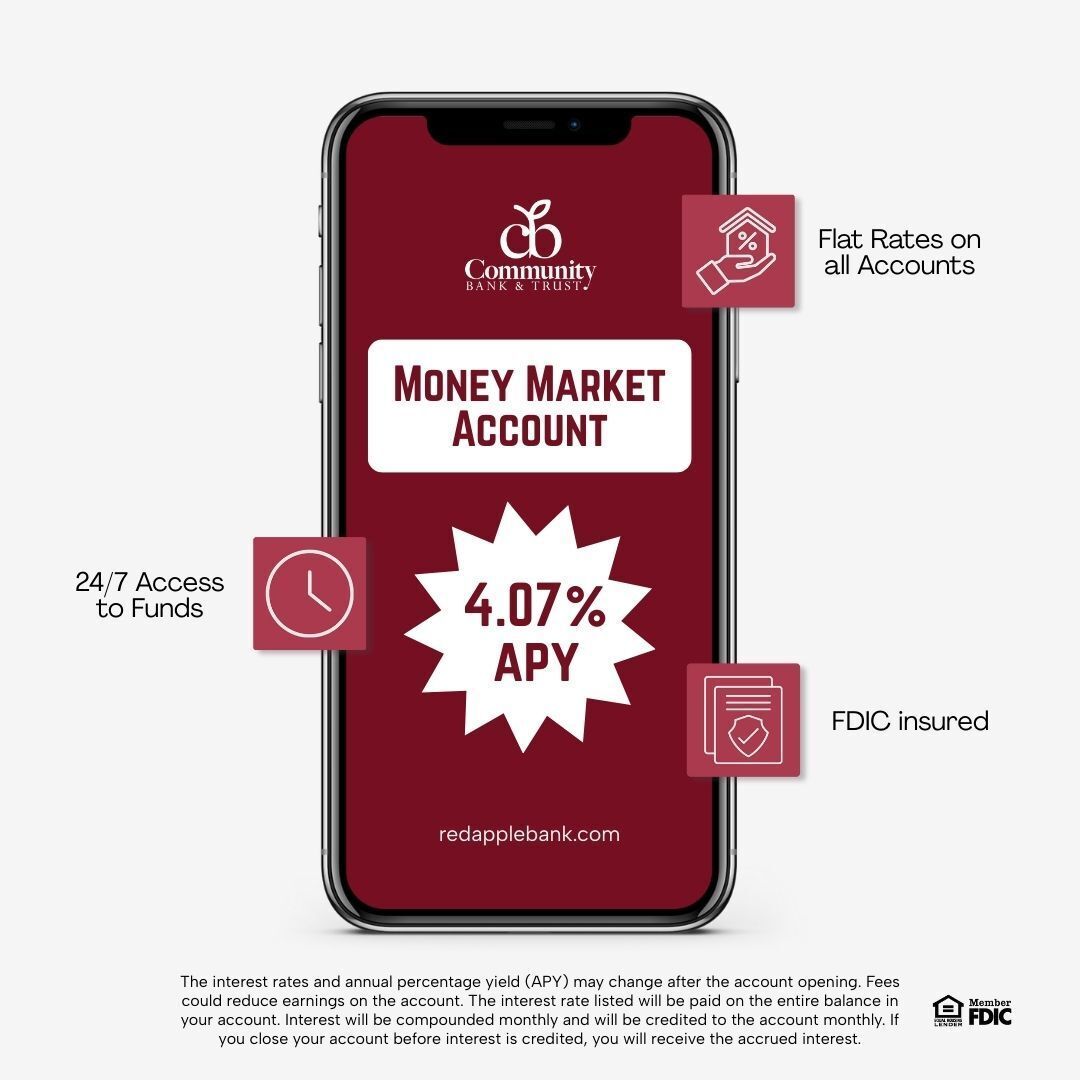
If you’re looking to earn more than a typical savings account while keeping your money accessible, this Money Market Account from Community Bank & Trust is worth a close look. It blends competitive interest with features designed for flexibility and peace of mind.
This account works well for emergency funds, savings goals, or cash you want growing faster than in a basic savings account, but still need access to.
If you’re prioritizing returns and flexibility without tying money up in long-term investments, it’s a solid choice.
CHILDCARE
The Rising Cost of Childcare 🍼

Are childcare costs quietly running your budget? You’re not alone.
Recent research shows that 1 in 5 families had to cut back on childcare or switch to a less desirable arrangement because of cost. Single mothers are hit hardest, with more than a third reporting some form of childcare hardship.
In many states, full-time childcare now costs more than in-state college tuition. In major cities, infant and toddler care has jumped dramatically in just a few short years — in some places, childcare costs have risen nearly 80% since 2019!
Parents are responding in the only way they can:
Reducing hours.
Leaving the workforce.
Piecing together care from relatives.
Using less stable or less ideal childcare options.
Taking on more work to cover the cost.
This isn’t just a budget issue. When childcare costs rival a second mortgage, families are forced into trade-offs that don’t feel like real choices.
So What Can You Actually Do?
Check for Assistance. Don’t assume you won’t qualify. State programs, Head Start, and local agencies vary more than most people think.
Use Tax Advantages. The Child and Dependent Care Tax Credit and a Dependent Care FSA can lower your real out-of-pocket cost.
Explore Flexible Setups. Hybrid schedules, Pre-K, nanny shares, or co-ops can materially reduce how much you fork over every month.
Revisit the Math Yearly. Childcare is often temporary. Costs and options shift as kids get older.
Childcare isn’t just another bill — it’s a necessity, and not something you want to cut corners on. We’ve put together a full guide outlining practical ways to reduce the cost without sacrificing quality.
Having young children is expensive. That doesn’t mean it’s permanent.
And like most things in personal finance, being proactive helps you come out on top.
ICYMI!
Your Weekly Update…
Everyone’s a Manager Now 🧑💻
Frontline supervisor roles are quietly disappearing, replaced by a surge in college-educated “managers,” often with little change in duties or pay. The data suggests it’s less about organizational overhaul and more about title inflation reshaping the modern organization chart.
January Job Boost 💼
U.S. employers added 130,000 jobs in January, signaling some early-year strength, but revisions show 2024–25 job growth was far weaker than first reported. Gains were concentrated in health care, social assistance, and construction, while many sectors (federal jobs and finance) shed positions.
Tequila on a Dime 🍋🟩
U.S. spirits revenue fell 2.2% last year as consumers traded down, favoring cheaper tequila and ready-to-drink canned cocktails. Premium bottles took a hit, but budget-friendly options kept the drinks flowing.
Sip smart, spend smart, and keep winning at life (not at sports betting)!
Best friends out! 🍻