- How To Money
- Posts
- Love on a Budget, Pet E-Funds, & Retail Therapy! 🛍️
Love on a Budget, Pet E-Funds, & Retail Therapy! 🛍️
Valentine's Day doesn't need to break the bank. It's about love, not gifts!

Good Morning, HTM Fam!
We hope everyone enjoyed the Super Bowl! Whether you were watching for the game, the commercials, the halftime show, or you just showed up for the snacks… it’s a great excuse to get together with your peeps. 🏈
But why haven’t we collectively decided to move the game to Saturday by now? We value our sleep!
LIFESTYLE
Love on a Budget 💌

Valentine’s Day can easily mess up your budget if you’re not careful. One minute you’re buying a $7 card, the next you’re paying extra for flower delivery, a snazzy gift, and a “special” dinner that costs way more than it does on literally any other day of the year.
The pressure to go big is real, especially since Valentine’s Day this year lands on a Saturday. As you know, showing love doesn’t require swiping your credit card into oblivion. In fact, WalletHub conducted a survey that shows 82% of people think Valentine’s Day is a trick to make people spend more money!
The best way to avoid going into the red is, first and foremost: set expectations with your partner. If you know and set expectations up front, you can avoid overspending that stems from the fear of not doing enough.
And once you have your expectations set, there are plenty of ways to fill the weekend without racking up a sky-high tab. Here are a few suggestions:
✂️ Make Homemade Cards: Even cards these days can cost almost $10 — for just a piece of paper! Instead, put your creativity to work. Not only will it save you money, but it will also give you a chance to show your love in other ways. Here are some simple cards you can make that will reveal your love for less.
🌳 Plan to Enjoy Free/Cheap Activities: It’s not about the money spent, but the quality time together. Brainstorm. Think of things you both enjoy, whether it’s a walk in the park, trying a new coffee spot, or buying a new book you can read together. The more homespun and unique, the better.
🍴 Cook a Meal at Home: Restaurants are notorious for fancy, prix fixe menus that can easily turn a night out into an anxiety attack. Skip the $75pp menus (that don’t include drinks or tip!) and hit the grocery store. Shop for ingredients for a new meal, or your favorite meal, and spend the night cooking together.
🗓️ Celebrate Another Day: If you’d prefer to dine out or want to plan some excursions without going overboard, opt for another day! Then, you won’t be stuck with prix fixe menus, inflated prices, or insane crowds.
At the end of the day, it’s not about how much you spend. It’s about being intentional with the ways you show your love and appreciation for your partner. A little planning and creativity can keep your relationship strong and your budget intact! 💌
PETS
The True Cost of Pet Ownership 🐶

Loving a pet is easy. Paying for their care? Not so much.
In 2025, pet parents spent an average of $1,135 per pet on health-related costs, split between $663 for vet visits and $472 for pet insurance, according to research conducted by TalkerResearch. That total is up from $998 in 2024, driven largely by rapidly rising insurance costs.
Of those surveyed, 85% said that their pet has been their main source of happiness throughout 2025, meaning they will go to any lengths to ensure their pet is happy, healthy, and cared for (even if they can’t afford it).
When it comes to pet insurance, there are a lot of misconceptions. Pet insurance isn’t a must-have in the way health insurance is for humans. Many plans reimburse you after you pay out of pocket, come with exclusions, and may not be worth it for every pet.
That’s why, for many owners, consistently building a dedicated pet emergency fund is often the superior approach. Having cash set aside gives you flexibility, allows you to avoid monthly premiums, and ensures you can cover exactly what your pet needs when something unexpected happens.
If having insurance makes you sleep easier at night, just make sure you compare different plans the same way you would compare car insurance. Here are a few plans you can look over if pet insurance is something you’ve considered.
Pet wellness contracts often come with issues, too. You might find that, even if your pet dies, you’ll still be on the hook to pay for services for the remainder of the contract.
No matter whether you choose to buy pet insurance or to self-insure, always have a dedicated e-fund to cover unexpected vet bills and costs that insurance won’t cover.
TOGETHER WITH COMMUNITY BANK & TRUST*
Make the Most of Your Money 💰
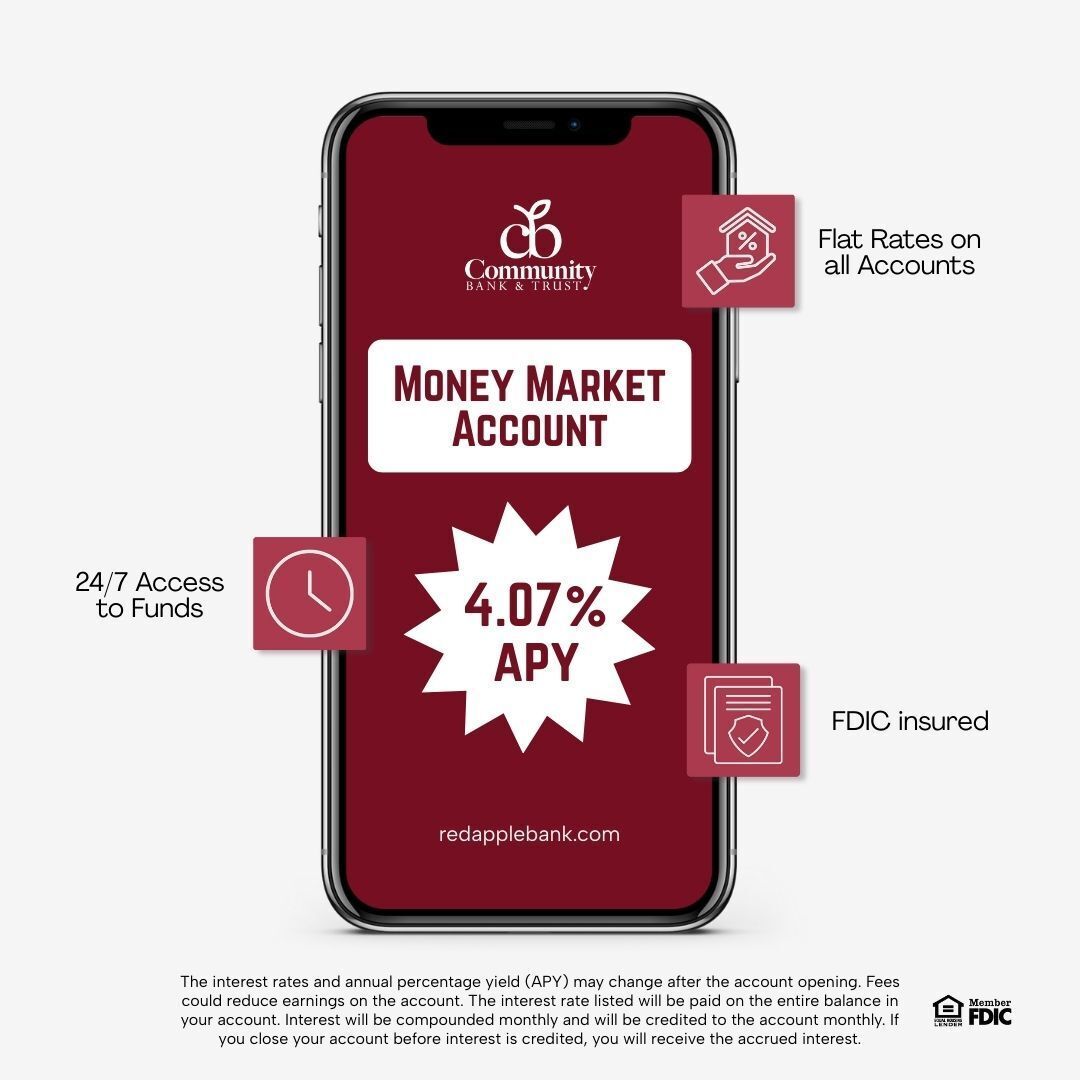
If you’re looking to earn more than a typical savings account while keeping your money accessible, this Money Market Account from Community Bank & Trust is worth a close look. It blends competitive interest with features designed for flexibility and peace of mind.
This account works well for emergency funds, savings goals, or cash you want growing faster than in a basic savings account, but still need access to.
If you’re prioritizing returns and flexibility without tying money up in long-term investments, it’s a solid choice.
RETAIL
Do You “Treat Yo’ Self” Too Much?

Look, we get it. With so much going on in the world, a constantly negative news cycle, and inflation pricing us out of our current lifestyle, it can be easy to chase short-term dopamine spikes — often in the form of “retail therapy.”
But if every bad day becomes a “Treat Yo’ Self” day, you’re going to have a lot bigger problems on your hands when it comes time to pay your credit card bills. If you’re not familiar with a “Treat Yo’ Self” day, watch the short below!
Tom and Donna make their “Treat Yo’ Self” day an annual occurrence (if you’ve watched Parks and Recreation, you know Tom’s money habits are sus!) — if that’s something you want to plan and save for, then by all means go ahead! But the constant “treats” to distract you from work, the news, or any personal issues can have dire consequences.
According to research done by SavingSpot in conjunction with Censuswide, the numbers are rough.
By the Numbers (Brace Yourself):
💯 The average American makes 100+ emotional purchases a year.
😓 About 1 in 3 of those buys ends in regret.
💵 The typical “just treating myself” purchase is around $70.
🍕 Food is the top comfort purchase.
💼 A rough day at work is the #1 trigger for stress spending.

This isn’t a harmless treat — it’s thousands of dollars over the course of the year being thrown away, often regrettably. Retail therapy is keeping people from achieving their long-term financial goals. So how do we combat the insidious reality of retail therapy?
Healthier Ways to Cope:
⚠️ Build in Barriers: Remove saved cards and turn off one-click checkout. Creating a barrier for yourself can give you time to pause and think about whether this purchase is actually something you want to make.
🕚 24-48 Hour Hold: If you’re impulsively shopping, keep items in your cart for at least a day or two. If you still want it after your self-imposed holding period, then you can feel more confident about making the purchase.
👥 Talk to a Friend: The top reasons for retail therapy are bad work days and issues with your family/partner/friends. Instead of shopping, maybe actual therapy or discussing your frustrations with a friend can help relieve that stress.
🫧 Make a Self-Care List: Think about free or cheap things that help you relax and reset. Walks, workouts, baths, crafts, playlists… these things can help create a mental shift that you won’t end up regretting.
Retail therapy is (unfortunately) too common, but it’s crucial to see that it is a response to stress. Next time you’re tempted to relieve that stress with an unnecessary purchase, think about ways you can respond in a healthy (and budget-friendly!) way.
You got this. 🤝
ICYMI!
Your Weekly Update…
Enter for a Chance to Win $1,000!
We’ve teamed up with some of our fave fellow personal finance bloggers & podcasters for a Winter Money Giveaway. Enter for free access to a bundle of money-smart digital resources, and one winner will score $1,000!
Same Price, Less Value 📉
Official inflation numbers don’t always capture what consumers actually experience day to day. Shrinking portions, weaker service, and “skimpflation” can make inflation feel higher, even when prices aren’t escalating rapidly.
Big Food Is on a Diet 🍟
Once known for mega-mergers, food giants are now going in the opposite direction. Kraft Heinz and Kellogg are slimming down to stay competitive, and it may change what you see on grocery shelves.
No, You Can’t Claim Your Dog 🐶
As we discussed above, pets can feel like family, but the IRS isn’t handing out tax breaks for Fido. A recent lawsuit tried to change that, arguing pets should count as dependents.
We hope everyone has a fun (and in-budget) Valentine’s Day! And for those of you with President’s Day off — enjoy the long weekend!
Best friends out! 🍻