- How To Money
- Posts
- Free Filing, Financial Forgiveness, and the Own vs. Loan Debate 💰
Free Filing, Financial Forgiveness, and the Own vs. Loan Debate 💰
You can still file your taxes for free if you meet certain criteria, and you may even get a bigger refund this year!

Happy Tuesday, all!
If you didn’t know yet, Punxsutawney Phil saw his shadow yesterday, meaning we’re in for another six weeks of winter! ☃️
With all the snow that’s been coming down the past few weeks across the country, we can’t say we’re surprised. Stay warm out there!
GIVEAWAY!
The Winter Money Moves $1000 Giveaway!
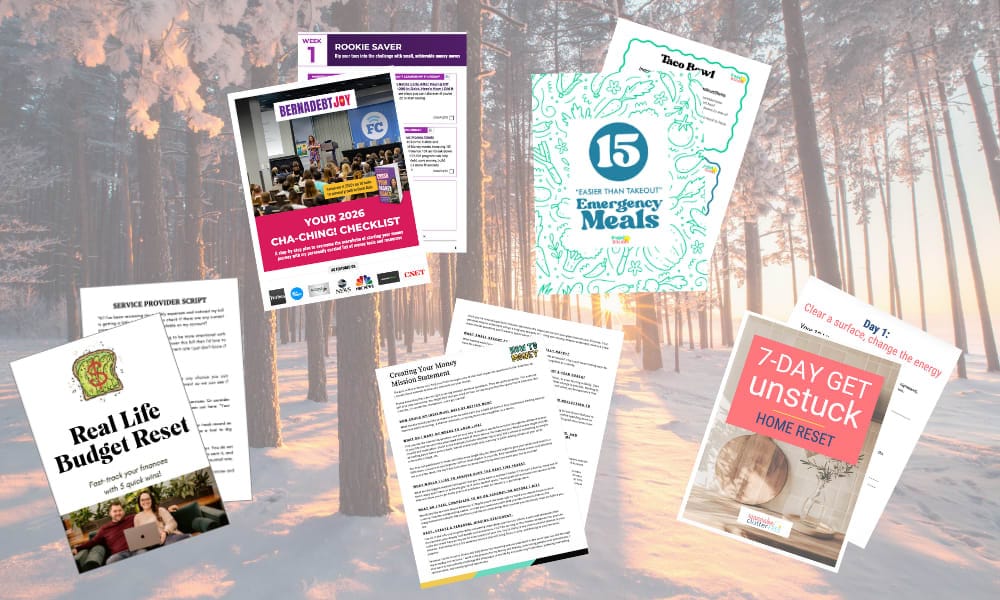
We’ve partnered with a few fellow personal finance bloggers and podcasters to launch a Winter Money Giveaway!
Just by entering, you’ll get free access to a bundle of digital resources to help you with different areas of personal finance. The big winner will receive $1,000 to put toward your 2026 goals - all you have to do is enter!
The giveaway is live until February 27th, but make sure to enter here ASAP so you’re in the running for $1k! 🤑
TAXES
You Can (Still) File Your Taxes for Free 📄
Even though the IRS quietly pulled the plug on its Direct File software, free tax filing is very much alive and well. You’ll just need to find the one that matches your situation.
How to File for Free
Earn less than $89,000: You likely qualify for free online tax software or volunteer-based help. These recommended softwares guide you step by step, ask the necessary questions, and handle the math for you — including determining whether the standard deduction or itemizing is most beneficial.
Age 50+: AARP Foundation Tax-Aide offers free tax help for qualifying filers, with extra support for people 50+ and those with low to moderate income. Best part? You don’t have to be an AARP member to take advantage of it.
In the military?: There are dedicated programs offering free filing help, plus access to trained volunteers or tax experts who understand age and service-specific tax benefits.
Prefer to DIY: The IRS offers free, fillable online forms if you’re comfortable entering your information manually and double-checking the details.
Looking for something simple: Some platforms and apps offer completely free filing with no income limits, which can be a good fit for straightforward returns (think only W2’s).
One important thing to note is that not all free options include state tax returns. If you live in a state with income tax, make sure you confirm whether state filing is included or plan to file your state return separately.
Cash App Taxes is a service worth considering. It’s the only service we know of that makes federal AND state filing completely free, regardless of income.
It’s also worth visiting the IRS Free File page to see the different filing options and determine which may be a good fit.
LIFESTYLE
Forgive Your Past, Fund Your Future 💵

Working toward financial independence often means overcoming a few money mistakes along the way (congrats, you’re human). Missed goals, credit card debt, impulse spending during a rough season… it happens.
What often trips people up isn’t the mistake itself; it’s the guilt that keeps them stuck.
A little regret can be helpful. It shows you where things went off track. But continuously beating yourself up for something makes it harder to move forward. If 2025 didn’t go according to plan, the best thing you can do in 2026 is practice financial forgiveness.
That means:
Work through and let go of shame around past spending or debt.
Acknowledge that outside circumstances and life events (job loss, inflation, lower income) have a meaningful impact.
Give yourself permission to reset instead of quitting altogether.
Money anxiety is normal. But if you can’t forgive yourself for your past mistakes, it’s going to be very difficult to get yourself on the right path again.
If you’re looking for a practical way to restart, this article from The Washington Post lays out a thoughtful 30-day reset designed to help you get your money goals back on track and stay there.
As a quick summary, it outlines:
Week 1: Take inventory. Track where your money actually goes. No judgment, just awareness.
Week 2: Check the big picture. List what you own and what you owe. This is your starting point, not your final destination.
Week 3: Automate progress. Set up automatic savings, even if it’s a small amount. Consistency beats willpower every time.
Week 4: Face your debt. Write down the balances and decide where to start. Some people want quick wins, others want to get rid of the largest interest rate first. Our HTM article can help you decide which works better for you.
Progress doesn’t come from beating yourself up; it comes from making your next move clearer and more intentional. ✍️
TOGETHER WITH COMMUNITY BANK & TRUST*
Make the Most of Your Money 💰
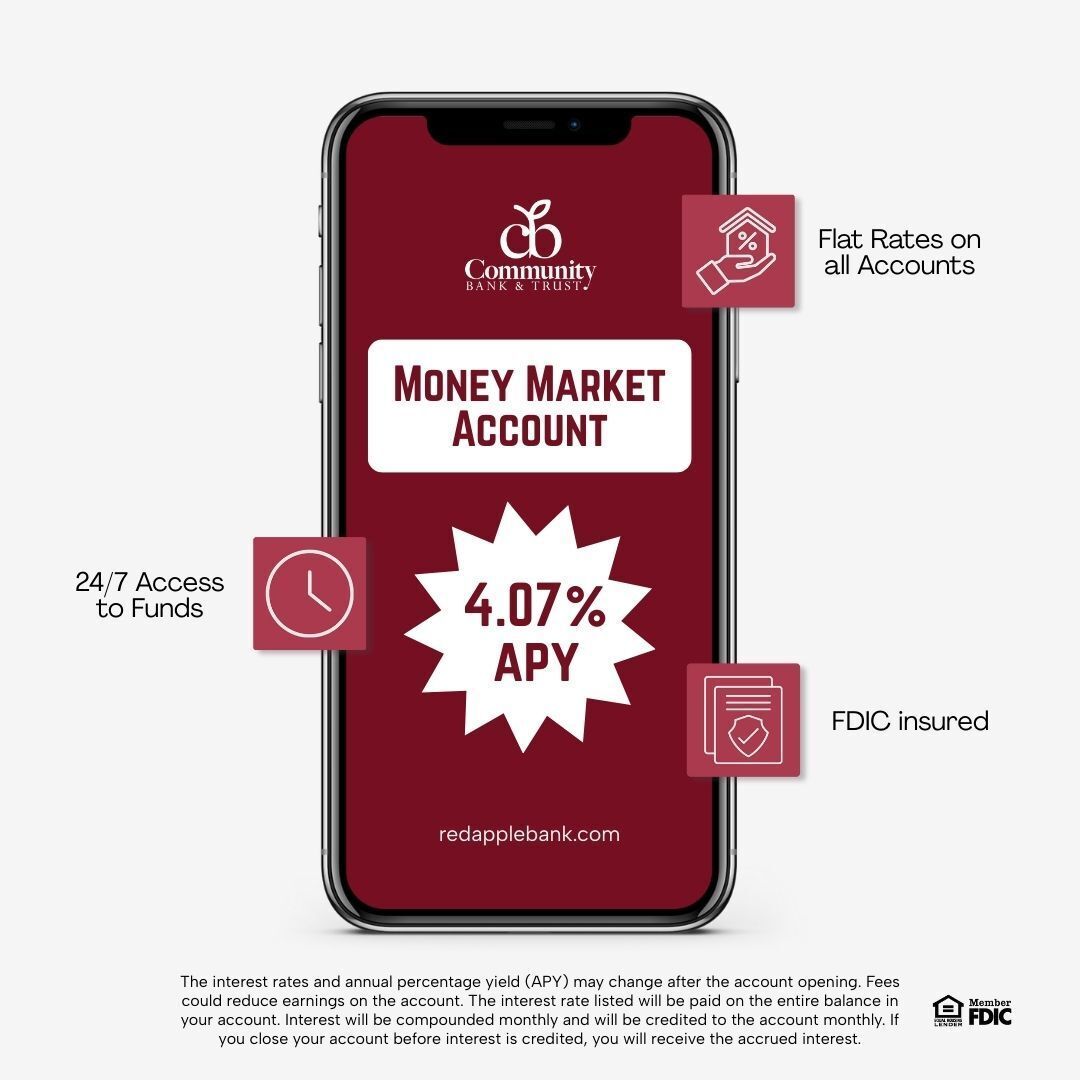
If you’re looking to earn more than a typical savings account while keeping your money accessible, this Money Market Account from Community Bank & Trust is worth a close look. It blends competitive interest with features designed for flexibility and peace of mind.
This account works well for emergency funds, savings goals, or cash you want growing faster than in a basic savings account, but still need access to.
If you’re prioritizing returns and flexibility without tying money up in long-term investments, it’s a solid choice.
CARS
Do You Own? Or Long-Term Loan? 🚗
Many people assume that having a car loan means they own their vehicle. But for a growing number of drivers, columnist Michelle Singletary argues that car ownership has quietly turned into something closer to long-term renting.
Here’s how that can happen: someone hasn’t finished paying off their current car, but it’s time for a new one, so the remaining balance gets rolled into the next loan. To keep the monthly payment manageable, you stretch the loan term out further, maybe even six or seven years.
When a loan balance never truly hits zero, ownership never really occurs. Instead, people stay tethered to a depreciating asset while juggling payments that hinder saving, investing, and other financial goals.
This pattern is showing up more and more in auto debt data, with many drivers owing more on their vehicles than they are worth. They then carry that gap forward into their next purchase.
There’s no single “right” way to handle cars, but a few principles can help people avoid getting stuck in permanent payment purgatory:
💵 Paying cash (when possible) avoids interest, long loan terms, and the risk of rolling debt forward. Save regularly and lower your expectations.
🚗 Buying used can significantly reduce costs by avoiding the steep depreciation that hits after buying a new car. Not all used cars are cheap, but prioritizing a pre-loved car is almost always a money-saver.
🤔 Being realistic about timing. If you know you’ll need a car upgrade soon, start preparing beforehand. That means saving for months, or often years, to put yourself in a strong financial position.
📈 Avoiding trade-ups when carrying debt can help limit damage. Rolling an old balance into a cheaper, reliable vehicle is far less harmful than stacking it onto an even more expensive purchase.
Cars are a necessary part of life for the vast majority of households, but financial independence is harder to reach when much of your budget is dedicated to vehicles that lose value over time. Remember, the best car payment is none at all. 😉
ICYMI!
Your Weekly Update…
Homebuyers on Hold 🏠
Pending home sales dropped sharply in December, surprising analysts and dampening early 2026 optimism. With inventory tight, rates barely budging, and rents declining, many buyers are content to sit on the sidelines for the time being.
$10 Unlimited Cell Service? For Real 📱
U.S. Mobile is running a limited-time deal offering unlimited data, talk, and text for just $10 a month. It might be the cheapest unlimited plan we’ve ever seen - and it’s the service Matt and Joel use.
Gold Hits $5,500 👑
Gold surged to record levels above $5,500 per ounce as uncertainty rattled markets. Analysts say ongoing economic and policy concerns could keep prices elevated. The future, of course, is hard to predict!
IRS Projects Bigger Refunds 🤑
IRS projections show refunds climbing for many filers, driven by higher standard deductions, expanded SALT limits, and new perks for seniors. Your refund may be bigger than last year’s (but never count on it).
Here’s to six more weeks of winter! 🥶
Best friends out! 🍻