- How To Money
- Posts
- Cash on Hand, Mini-Loans, and Preparing for Better Rates! 🍀
Cash on Hand, Mini-Loans, and Preparing for Better Rates! 🍀
We hope today is full of green!

Good Morning, and Happy St. Patrick’s Day! 🍀
We hope everyone is feeling extra lucky today and adding to their own personal pot of gold. Hoping to find one behind the next rainbow isn’t a great strategy. And green beer doesn’t do it for us, but no judgment if that’s what you’re into… 🍺
LIFESTYLE
Do You Have Cash on Hand? 💵

In today’s age, there are a lot of different ways you can store your money — stocks, bonds, real estate, etc. Stuffing money under your mattress is another, but we don’t recommend it. However, keeping some of your money in cash is wise. Depending on what generation you’re from, you may have different feelings about physical money.
You may think that only older generations are likely to keep a lot of cash on hand, but younger investors hold more cash than you might expect. People in their 20s keep about 37.5% of their assets in cash, one of the highest percentages of any age group. As they enter their 30s, that number drops to about 27%. From there, investors tend to keep more of their wealth in stocks until they get closer to retirement, when they add more bonds and eventually shift back toward larger cash positions.
Remember the circle of life in The Lion King? It’s kind of like that…but for money.
Why Younger Investors Hold More Cash
For the average investor, cash can often serve as a financial safety net. It’s enticing to have your money readily available to you, especially if you haven’t been exposed to investing earlier in life. When investing is brand new, it feels intimidating — market volatility, not knowing what fund to buy, etc. can keep you from pulling the trigger.
Unfortunately, there are also a lot of new investors who smartly open accounts like a Roth IRA, regularly deposit money, and then never invest those funds.
Why Older Investors Circle Back to Cash
Later in life, the logic flips. Someone approaching retirement age usually has a bigger nest egg and less time to recover from market swings. Holding more cash or bonds helps provide stability and predictable income while protecting the nest egg they’ve spent decades building. It’s less about growth and more about preservation.
Should You Hold Cash?
Cash may not grow the same way your investments do, but it has a role to play in a healthy financial plan. Some have said that ‘cash is trash.’ That, my friends, is a ridiculous assertion. Cash can provide:
💧 Liquidity: It’s easy to access for emergencies or big purchases.
😌 Peace of Mind: Your cash won’t fluctuate the way the market does. Keeping an e-fund in cash ensures you always have enough when you need it.
Can You Hold Too Much Cash?
Of course! You don’t want to be too cash-heavy. At the end of the day, investing and compound returns are going to be doing the heavy lifting of building your nest egg. If you have too much of your portfolio in cash, you’ll be exposed to:
💵 Inflation Erosion: Cash will lose its purchasing power over time as inflation increases. We’ve experienced this a lot more in recent years! Even as savings rates have climbed, savers still haven’t kept pace with inflation.
📉 Missed Growth: Again, it’s your investments that are going to be working the hardest. Cash might eke out a better return over a short timespan, but over the long haul, stockpiling cash loses handily to investing regularly.
There isn’t a perfect amount of cash in savings that’s optimal for everyone. Your ideal balance depends on your goals, timeline, and comfort with risk. But it is important to understand that holding onto too much cash comes with risks of its own.
RETAIL
Buy Now, You’ll Pay Later 😓

Buy Now, Pay Later (BNPL) services have quietly become one of the most common ways people pay for things online. In fact, nearly half of Americans have used one. The consumer appeal is obvious. You’re able to split your purchase into smaller payments, while avoiding interest. What’s not to love!? Well, the consequences can be dire.
According to LendingTree data, more than 40% of BNPL users say they’ve paid late on a loan in the past year, and over half say they’ve been late at least once. Part of the issue is the sheer volume of these loans — 60% of users have had multiple BNPL loans open at the same time, and 23% have had three or more running simultaneously. No wonder it’s so easy to miss a payment!
BNPL started as a way to spread out the cost of bigger purchases, like electronics or furniture. But lately, people are using it for everything under the sun. Some of the ridiculous categories BNPL has reached its tentacles into are:
🛒 Groceries
🥡 Takeout/food delivery
✈️ Airfare
💰 A paycheck advance mechanism
If you’re financing your food, we’re not judging you, but it’s time to admit there’s a problem. It’s time to rework your budget. And if you’re using BNPL regularly, you’re likely using it to feel less bad about the purchases you’re making. When each purchase feels small, we tend to spend more. And it’s far too easy to forget how many payments are stacked up. That’s what Affirm, Klarna, and Afterpay are banking on!
Does BNPL Ever Make Sense?
BNPL isn’t the devil. It’s possible to use BNPL sparingly without going overboard. But we think BNPL is like a chainsaw. There are far too many civilian injuries for us to feel comfortable using one!
Nearly half of users say they’ve regretted a BNPL purchase, often because the payments piled up or the purchase felt less necessary in hindsight. If BNPL becomes a habit instead of a strategy, it may be time to leave it in the past.
Rules Over Regret
When using BNPL, it’s important to still stick to your usual purchasing rules, like having a holding period for impulse buys and budgeting up front. Those small, interest-free installments can be convenient, but don’t let convenience replace planning.
When used intentionally, BNPL might allow you to plan for large purchases. When used casually, it can sneakily stretch your budget too thin. It’s happening to millions of Americans as you read this. We want you to realize the downsides before you rack up a litany of BNPL payments you truly can’t afford.
TOGETHER WITH WEALTHRAMP*
Financial Advising Made Easy 🤝

Finding the right financial advisor can feel overwhelming. Between confusing credentials, sales-driven advice, and endless searches, it’s hard to know who truly has your best interests in mind.
Wealthramp helps simplify the process. The free platform matches you with independent, fee-only fiduciary advisors tailored to your goals and situation. Instead of sorting through endless options, you’ll receive a short list of vetted advisors so you can compare and choose the right fit with confidence.
Thinking about hiring an advisor or replacing your current one? Check out our full Wealthramp review here.
MORTGAGES
Prepping for House Shopping 🏡
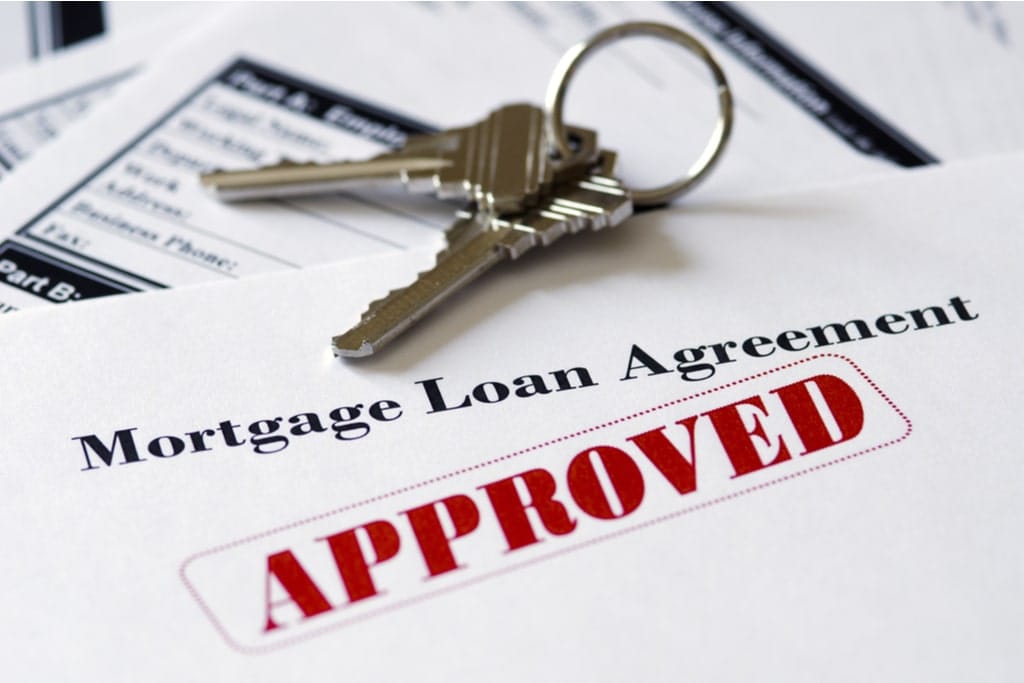
Mortgage rates garner a lot of headlines, especially when rates rise or fall quickly. But while mortgage rates tend to rise quickly, their fall is usually quite slow. The same is true of gas prices, as we’ve all recently experienced. Mortgage lenders and gas station owners both tend to price in risk immediately.
But, if home buying is a goal in your near future, getting financially ready now can allow you to take advantage of lower rates when the time is right. There are a few key ways to prepare, and they take some time.
Strengthen Your Credit Score
Your credit score plays a huge role in the interest rate that you’re offered. Even a small improvement in your score can translate into thousands of dollars saved over the life of your mortgage loan.
A few quick wins to see that score soar:
⬇️ Pay down credit card balances ASAP.
💳 Avoid opening new cards or other lines of credit.
✅ Make every payment on time.
Lenders like to see stability. Having predictable, boring money habits can help show your trustworthiness when it comes to paying back a loan. Keep up with the progress of your credit score. Credit card companies often offer access for free. CreditKarma.com is a great place to turn too. You can access your credit reports for free every week via AnnualCreditReport.com too.
Understand Your Numbers
Buying a home isn’t only about the monthly mortgage payment. Lenders will also look at your debt-to-income ratio, which compares your monthly debt obligations to your income. If you’re carrying high-interest debt like credit card debt, kick it to the curb like a bad boyfriend (or girlfriend). Prioritize paying it down before applying for a mortgage to improve your odds of approval and to score better terms.
More Than a Down Payment
Saving for a down payment on a home is a feat in itself, but the costs escalate from there. Closing costs are usually between 2% and 5% of the loan amount!
A good rule of thumb is to save enough for:
🏠 Your down payment.
🤝 Closing costs.
📄 Property taxes.
💰 A healthy emergency fund after move-in.
Owning a home is rewarding, and purchasing one can be exciting. But it can also be daunting if you’re not financially ready for it.
Interest rates matter a lot. They can impact your payment meaningfully. If rates come down, you can potentially increase your budget or reduce your housing costs. But it’s crucial to recognize that mortgage rates don’t come down overnight, either.
Instead of trying to wait for the “perfect” rate, focus on the things you can control: a strong credit score, manageable debt, and a solid home emergency fund. Oh, and despite average rates finally ticking below 6%, you can still get much lower rates if you shop around intently, ideally with local credit unions and a mortgage broker!
When the right home comes along, you’ll be ready to move forward with confidence. 🤝
ICYMI!
Your Weekly Update…
401ks Kept Climbing 📈
The average 401k balance rose 11% in 2025, driven by strong markets and steady saving habits. Consistency can pay off over time, folks! We hope that HTM listeners and readers saw their balances climb even faster thanks to robust contributions.
Jobs Down, Wages Up ⚖️
The U.S. economy lost 92,000 jobs in February, nudging unemployment up slightly to 4.4%, while wage growth continued to climb about 3.8% year over year. The job market isn’t as stellar as it was. But there’s still opportunity out there for the diligent.
Cheapest MacBook Ever 💻
With the new $599 MacBook Neo, Apple is making its biggest push yet into the budget laptop market. The device uses an iPhone-style chip and could compete more directly with Chromebooks in schools.
Getting More Miles From Your Gas Tank ⛽
Gas prices have risen quickly across the country since the war with Iran began. Consumer Reports offers 10 tips to get more MPG. It’s surprising, but making a few tweaks can meaningfully increase fuel economy.
Hope everyone has a great St. Patty’s day! 🍀
Best friends out! 🍻